

The Riley Company grew out of the weaving industry based in Coventry U.K. They moved into the bicycle industry in the 1890’s and soon after into motorcycles tricycles, quadricycles and tri-cars.
To enlarge any of the photographs, tap or click on them
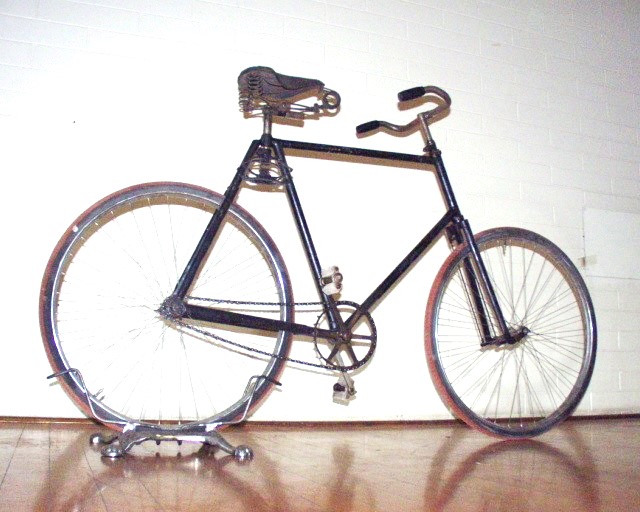

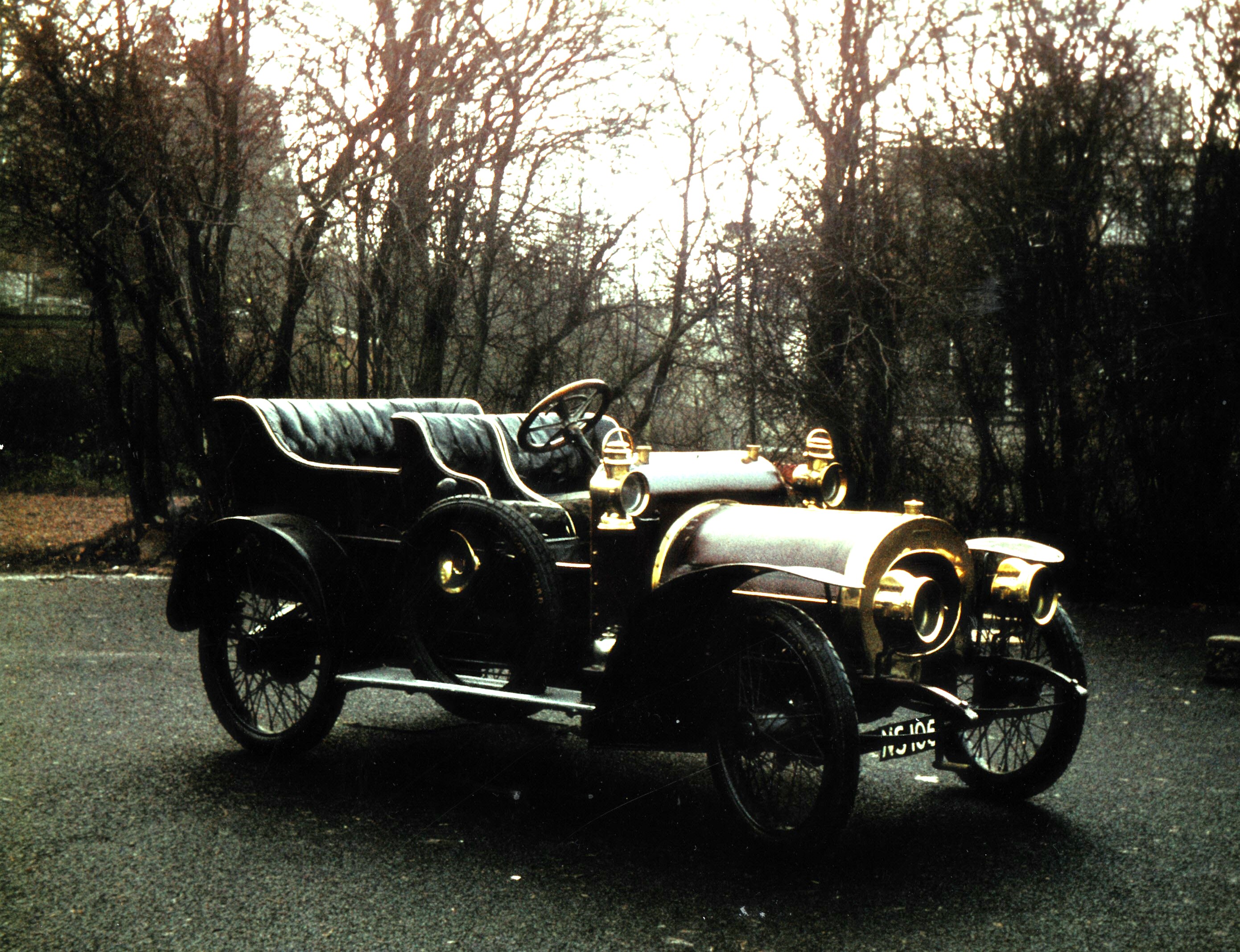
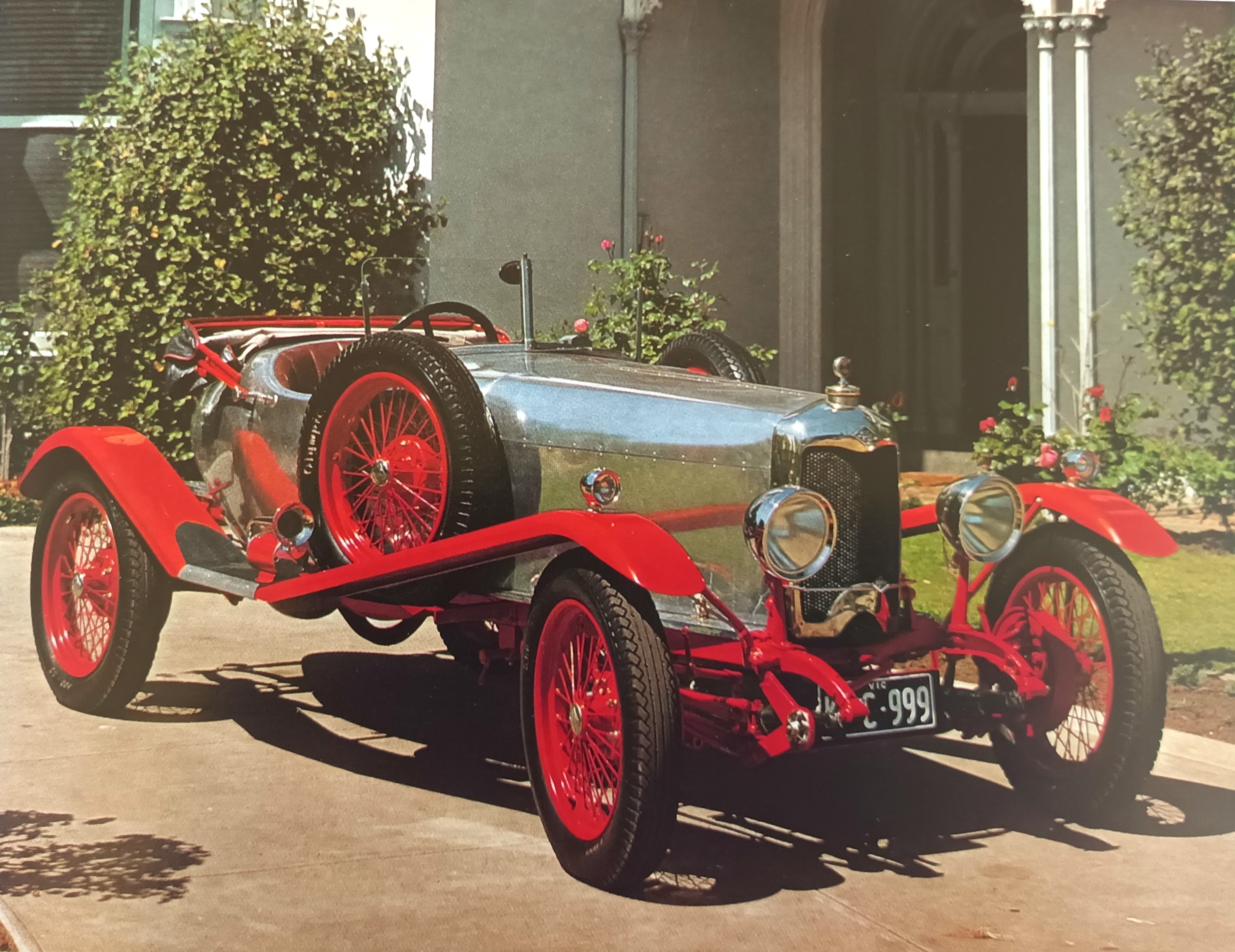
Although Percy Riley built his first car in 1896, it wasn’t until 1903 that a more traditional looking car with a V twin motor, was sold to the public.
In 1913 a large car, the 2.9 litre 17/30 was introduced. The engine was designed by Percy Riley, and it was Riley’s first in-line four cylinder engine. Its production continued after World War 1.
In 1919 a 11 HP 1.5 litre side-valve engined car, designed by Harry Rush was released. It was continued until 1928.
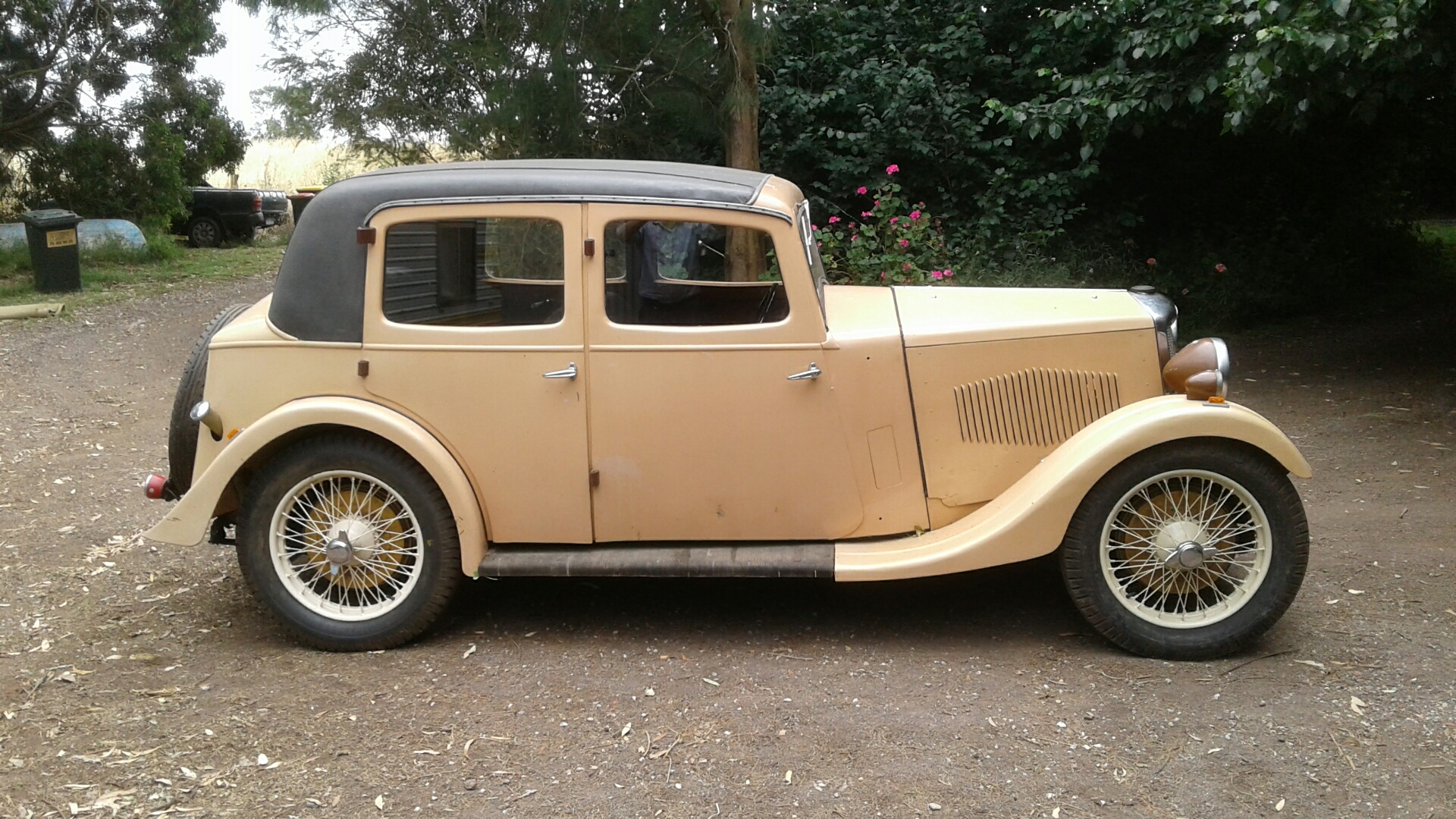
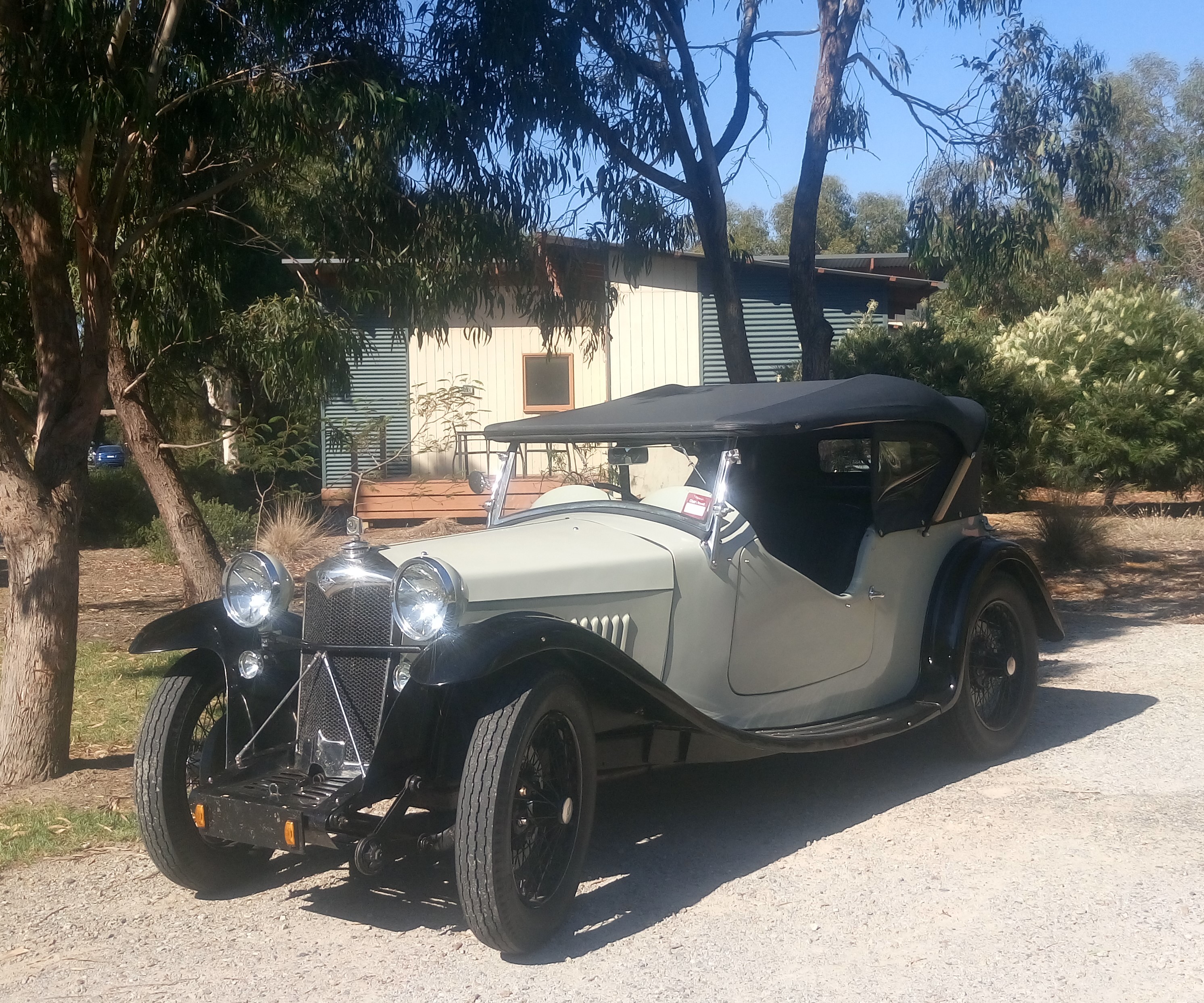
In 1926 the Company released the Riley Nine, with an advanced, 1087 cc twin camshaft and hemispherical head engine, designed by Percy Riley. Metal panelled and fabric bodied tourers were offered, but the most striking model was the Monaco sedan with a Weymann fabric body. The 9 hp cars were produced in a wide range of body styles until 1938. The Nine’s engine layout formed the basis of all Riley engines until the BMC era in the 1950s.

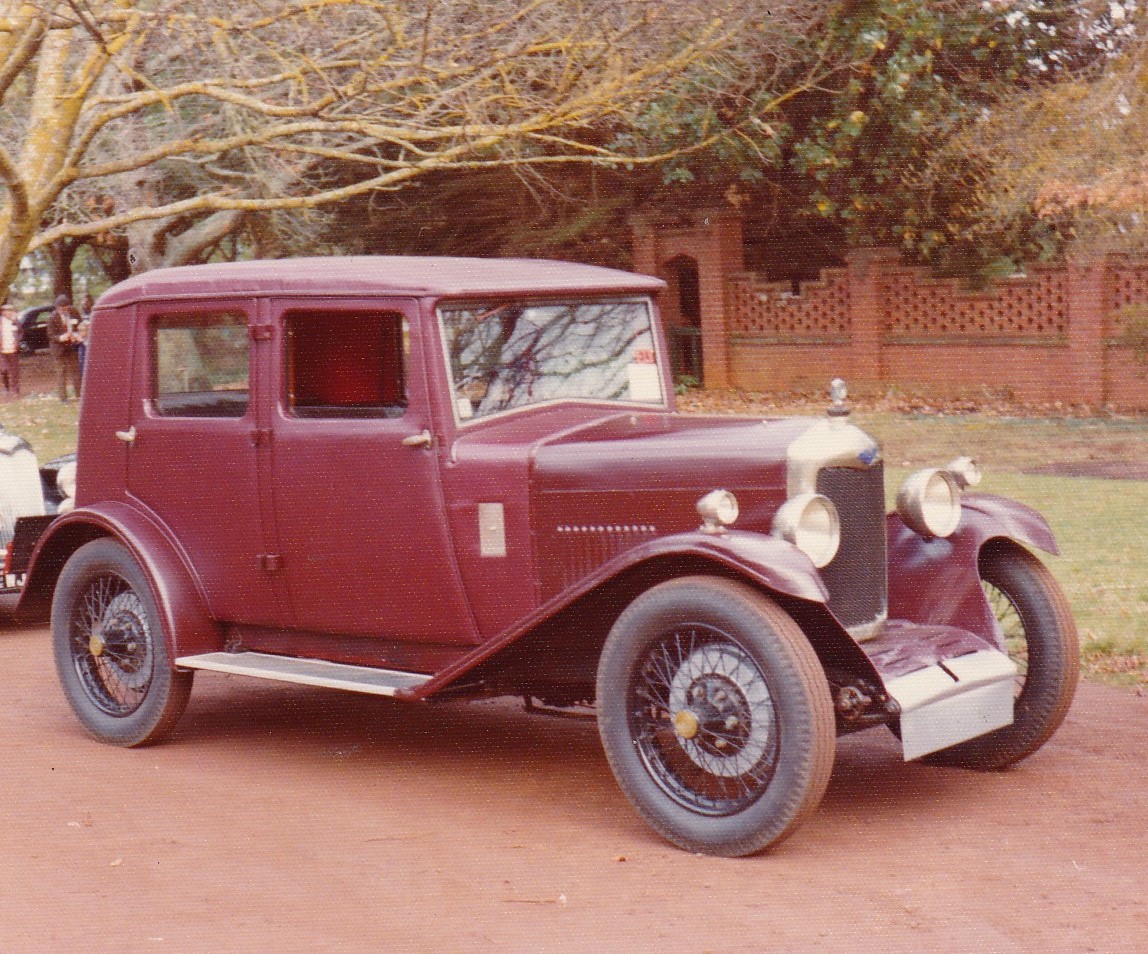
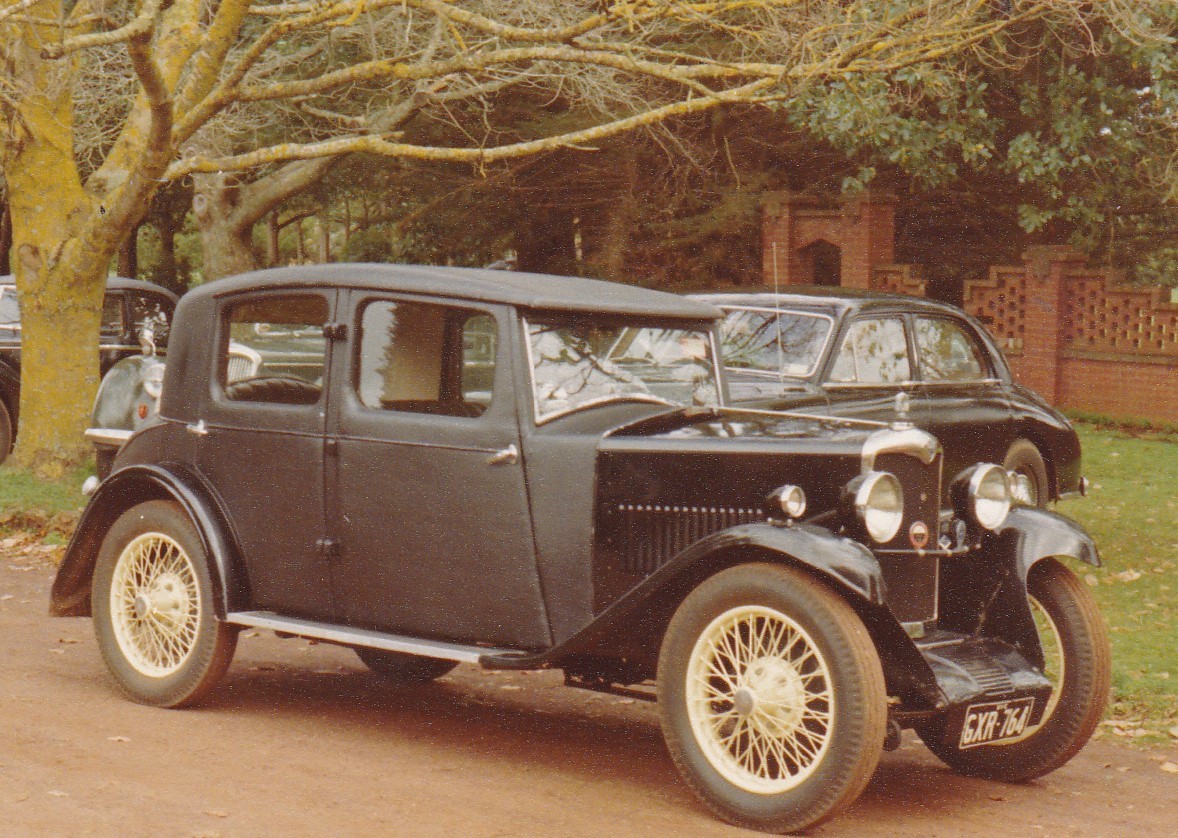
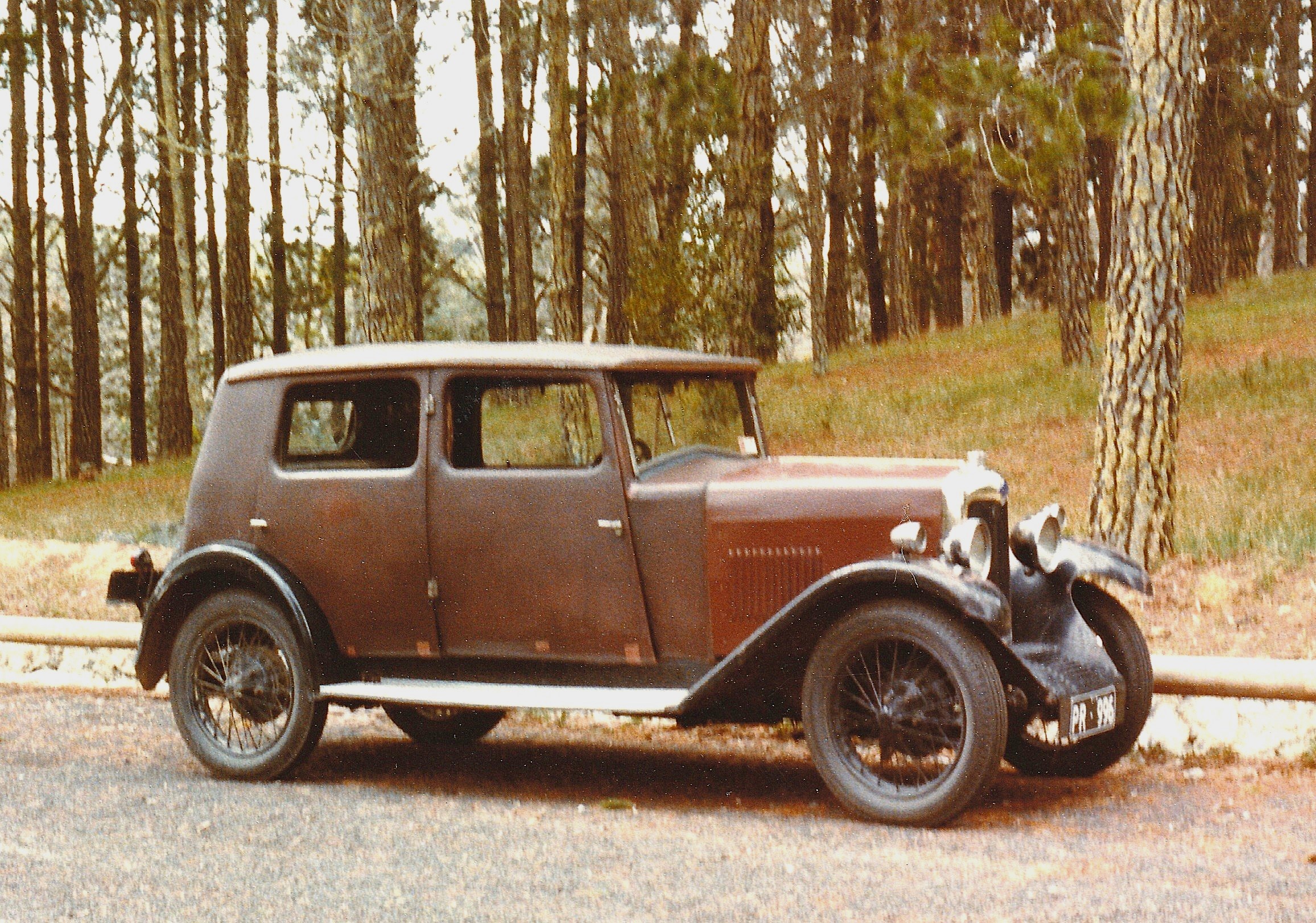
In 1929 a 6 cylinder engine was released, again a wide variety of body styles were offered. through until 1938. Engines came in 1458cc 1633cc and 1726cc. sizes. Manual gear boxes and later Pre-Selecta gearboxes were offered. An engine and chassis from this range plus some cash was given by Riley to Raymond Mays to build the White Riley, the prototype and basis of the ERA racing car.
In 1934 the 1 ½ litre 1498cc four cylinder range, known as the 12/4 and designed by Hugh Rose, was introduced. Again a big array of body styles was offered, with a bought in Pre-Selecta gear box or later the Borg Warner manual with overdrive.
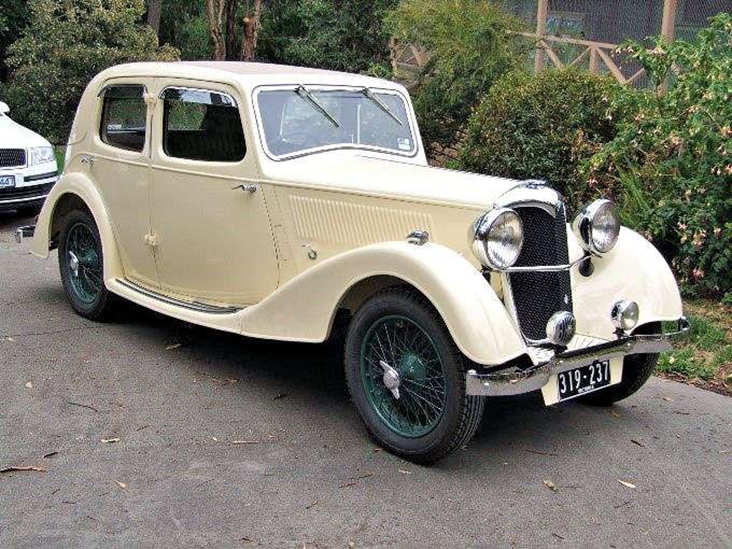
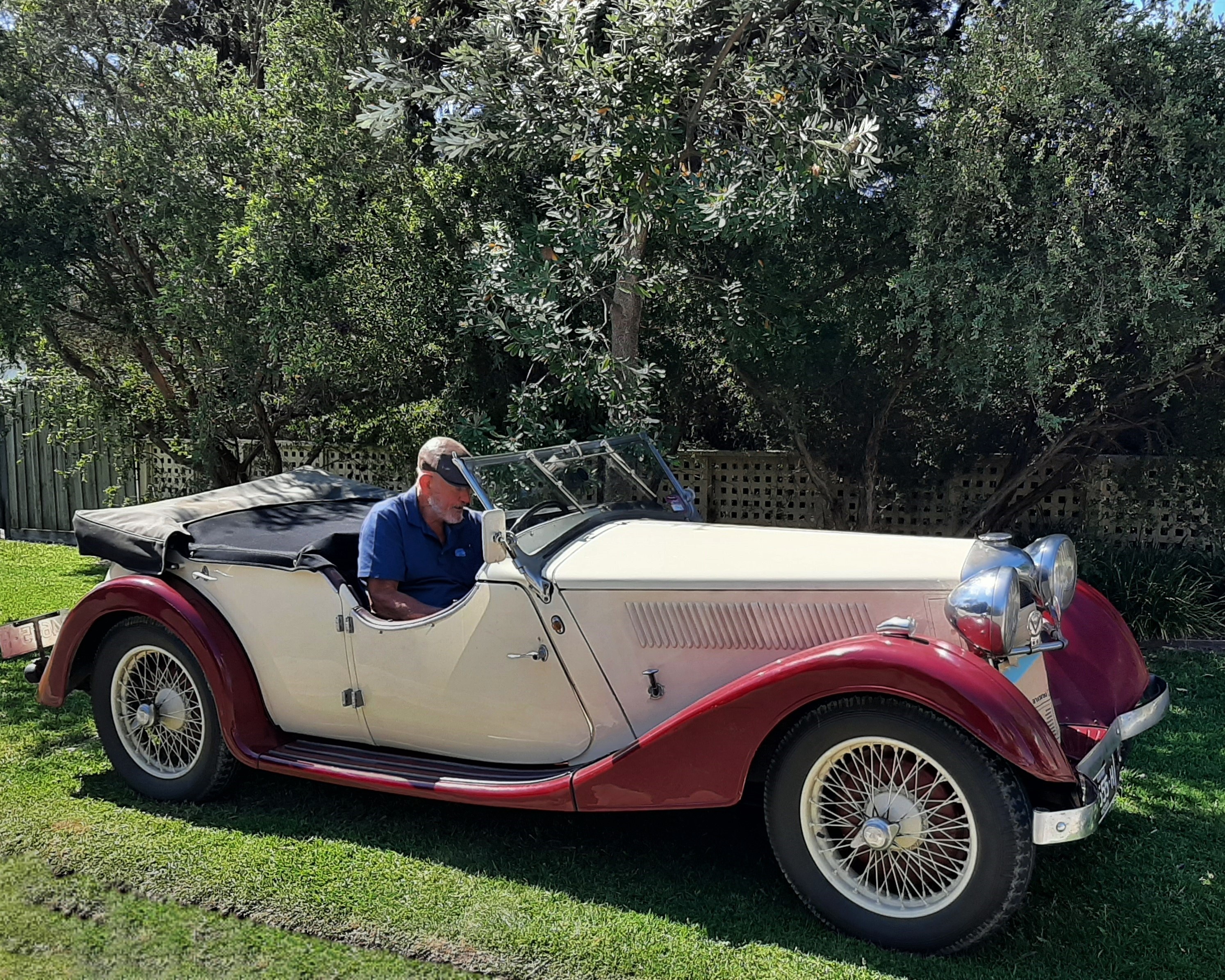
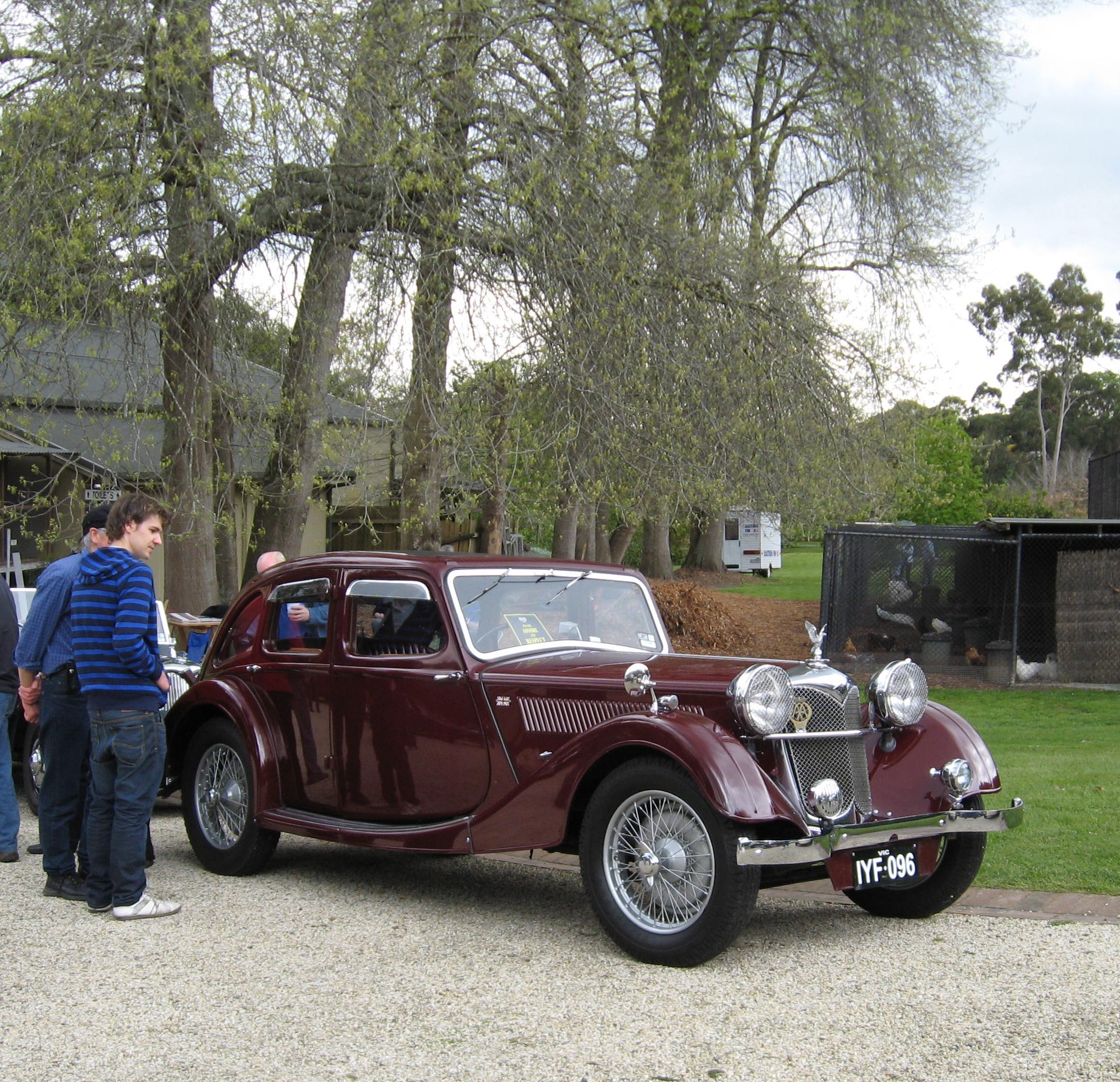
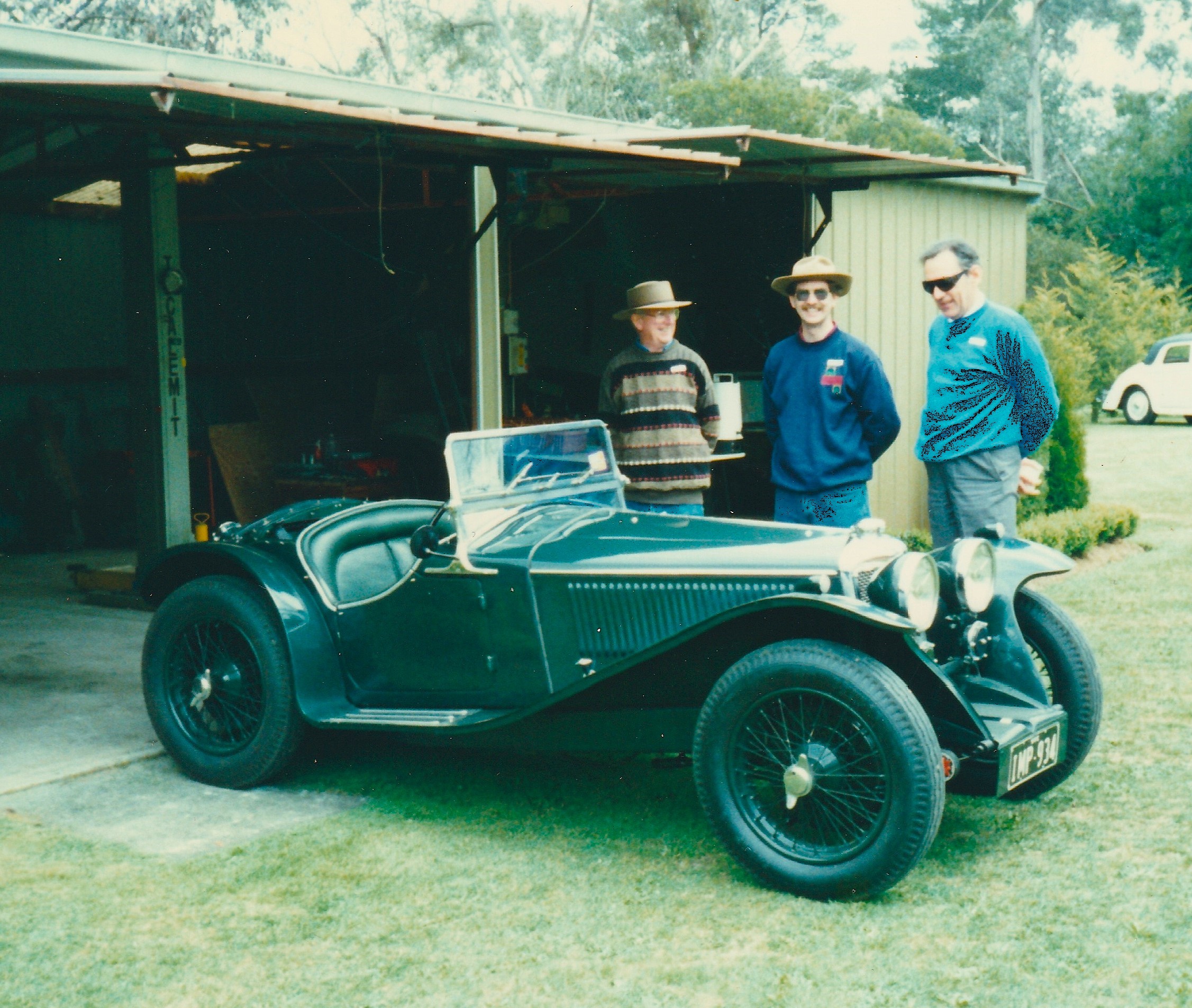
In 1935 the Big Four 2 ½ litre range was introduced. This used a Borg Warner three speed with two overdrives gear box. This car was available in four models until 1938.
In 1935 a V8 version was introduced, powering two existing body shapes and a new luxury limousine called Autovia.
With so many models and variations Riley was in 1938 in dire financial trouble. Company was taken over by Lord Nuffield and the golden era of Riley as a family company came to an end.
It is worth noting that between the mid 1920’s and 1930’s, the majority of Rileys exported to Australia were delivered in chassis form, where they had bodies built by various local coach-builders. Some of these were similar to the English built bodies, and others were quite different. A copy of a booklet that David Trunfull wrote about Australian bodied Rileys, and a Supplement can be downloaded by pressing the “DOWNLOAD” button below.
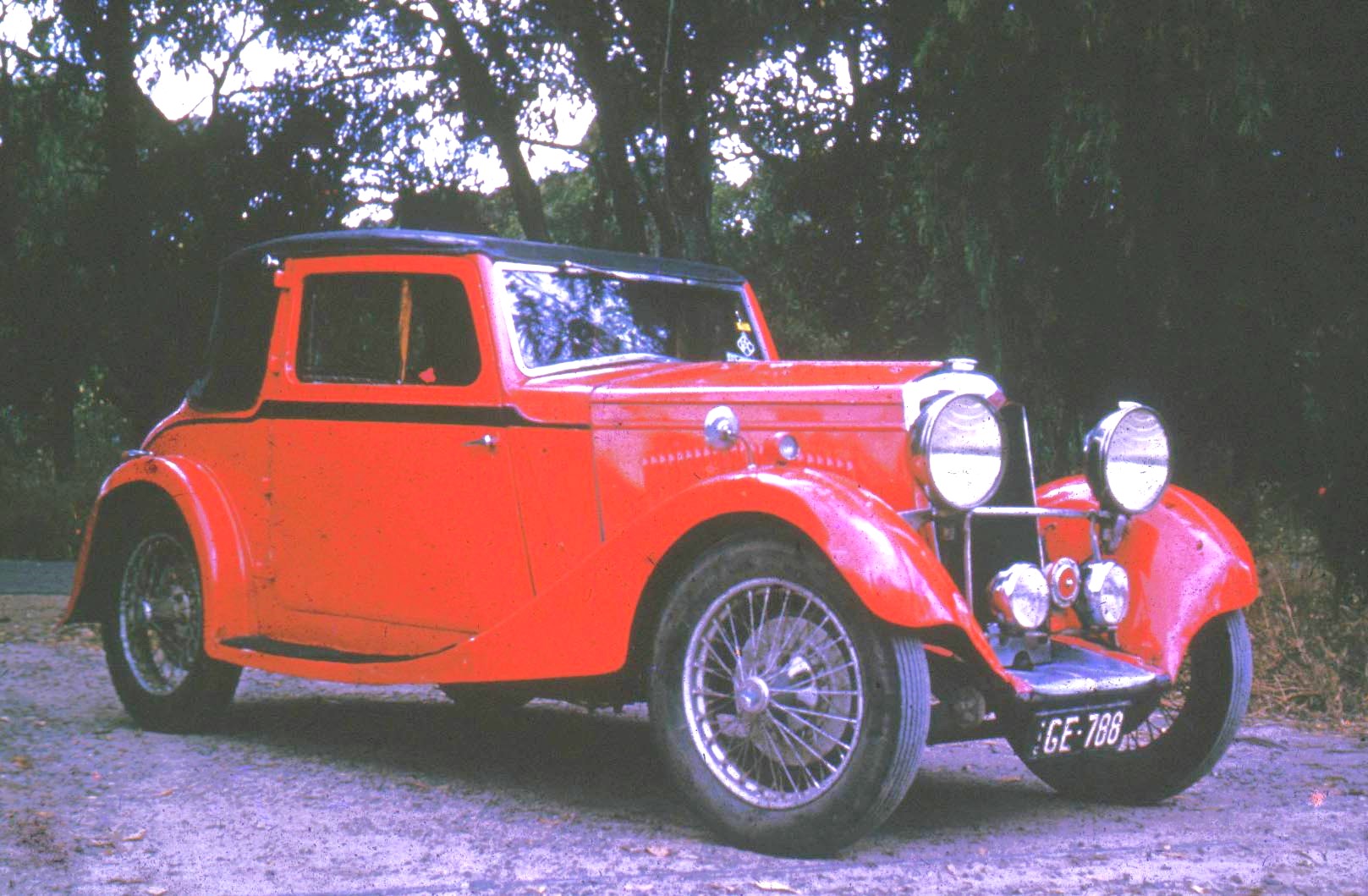
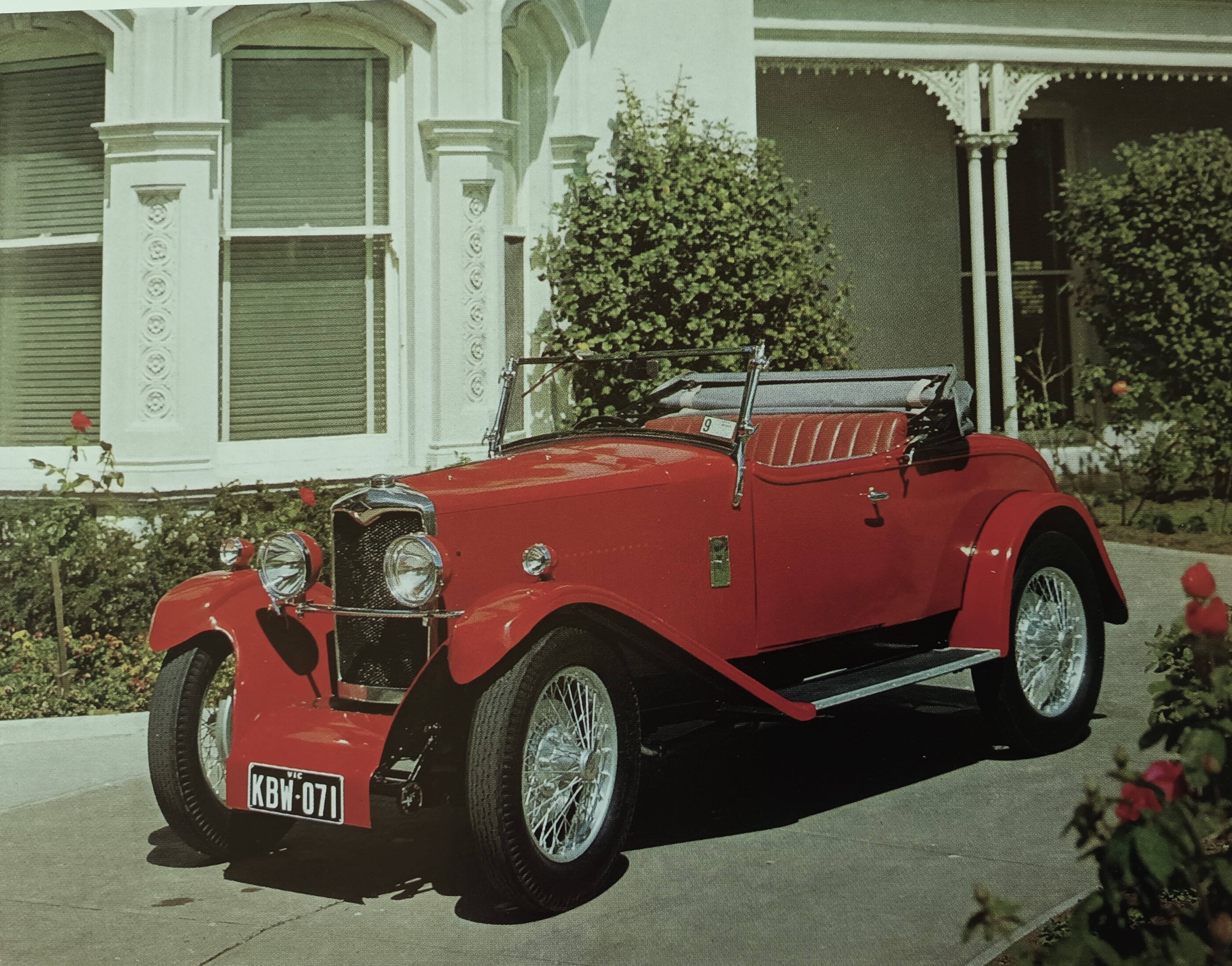
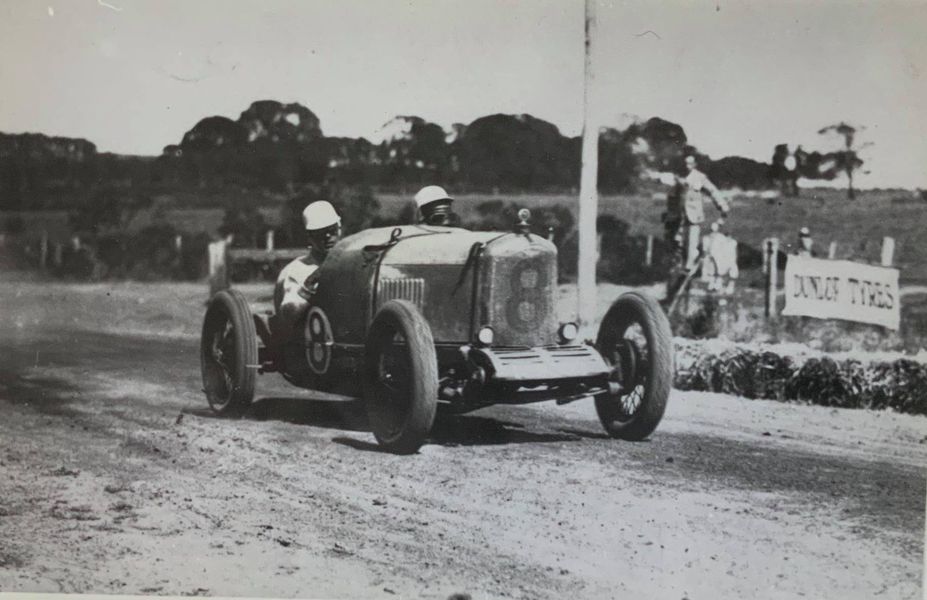
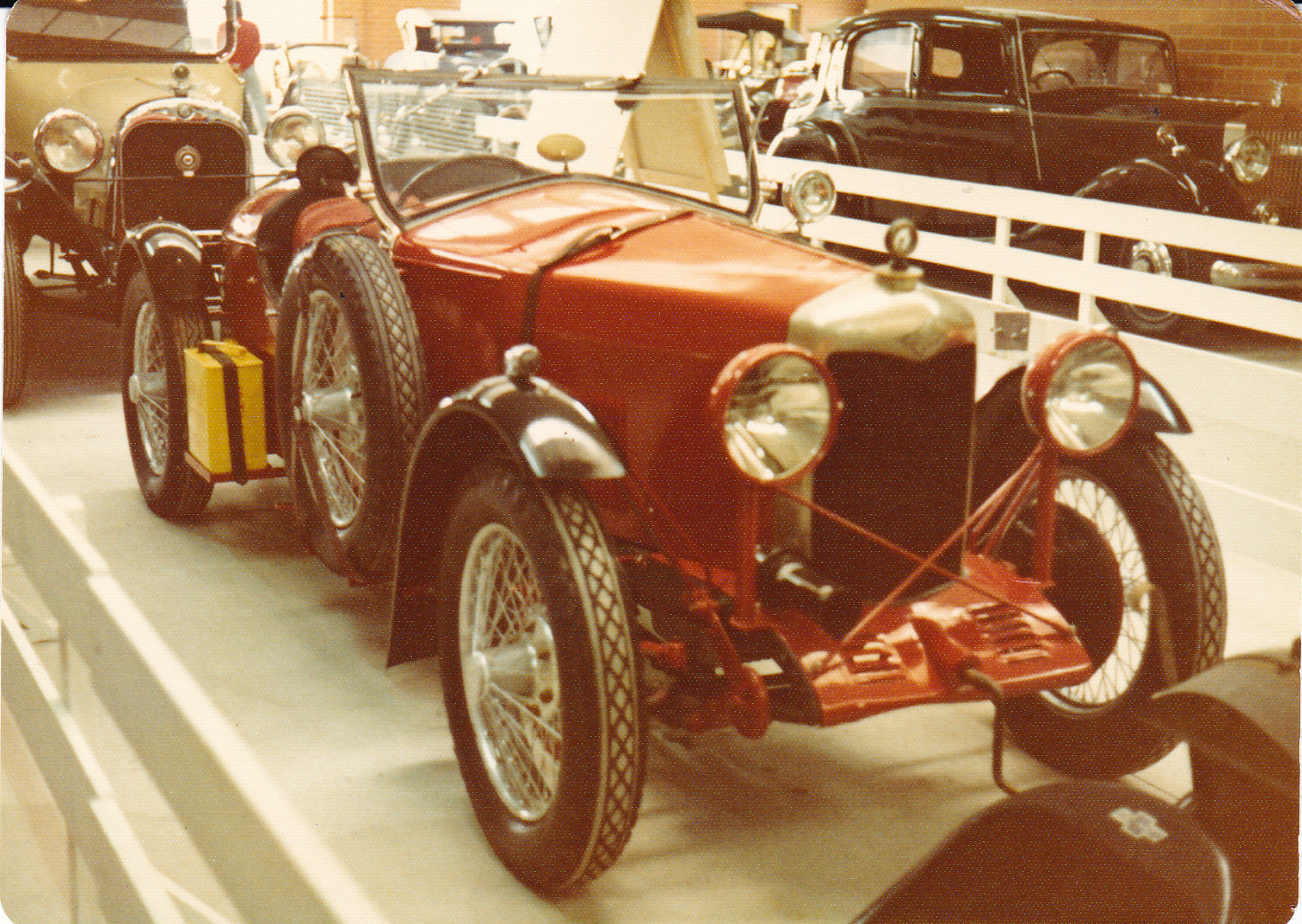
Riley also had an outstanding number of competition successes in the U.K. and elsewhere. They were driven by many notable racing drivers, including Malcolm Campbell, George Eyston, Freddy Dixon, and Sammy Davis to name but a few. There were also several notable women drivers. including the Australian, Miss Joan Richmond. In 1933 a Riley Brooklands, driven by Bill Thompson won the Australian Grand Prix at Phillip Island. Below are are a few photo’s of racing Rileys in Australia.
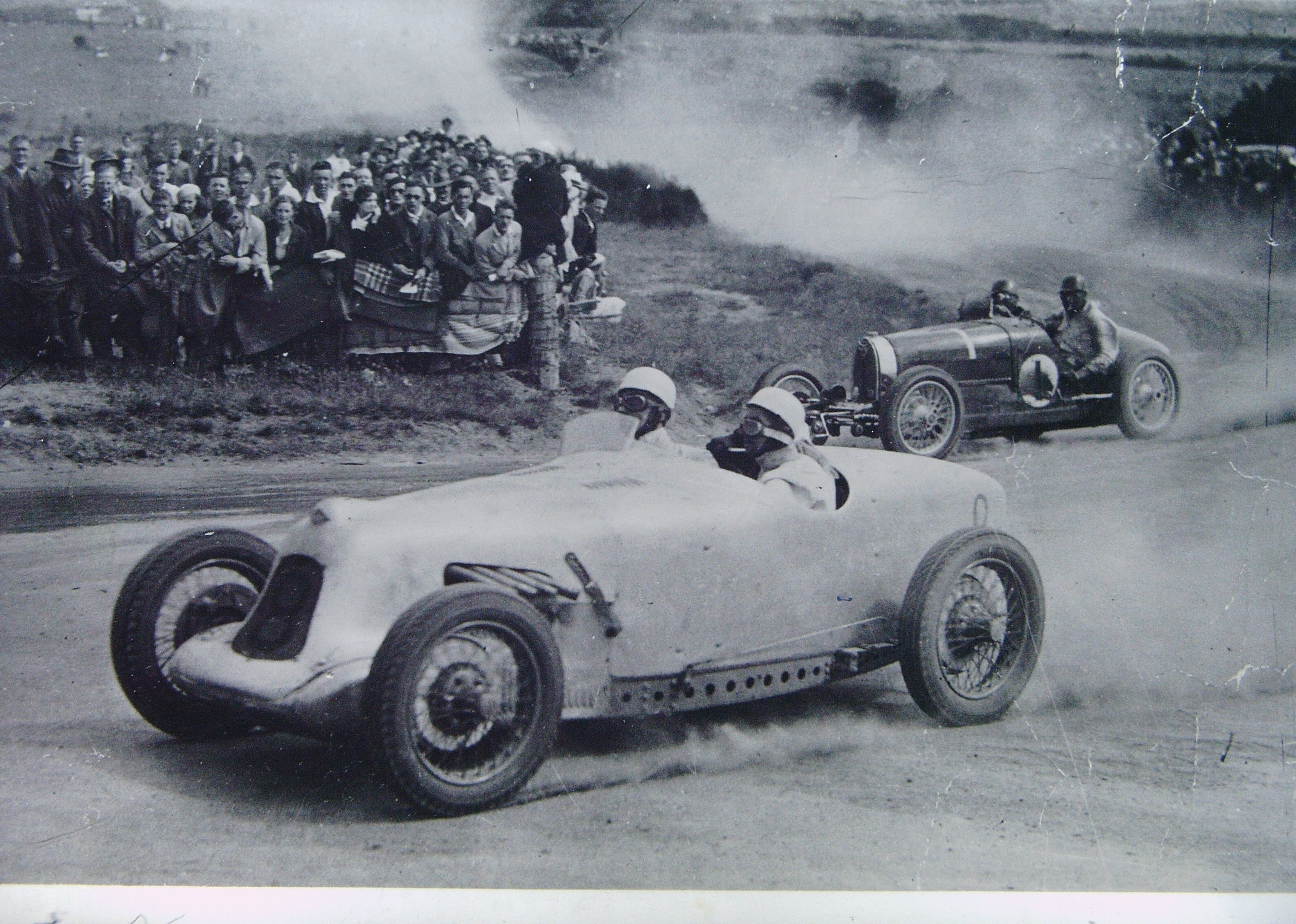
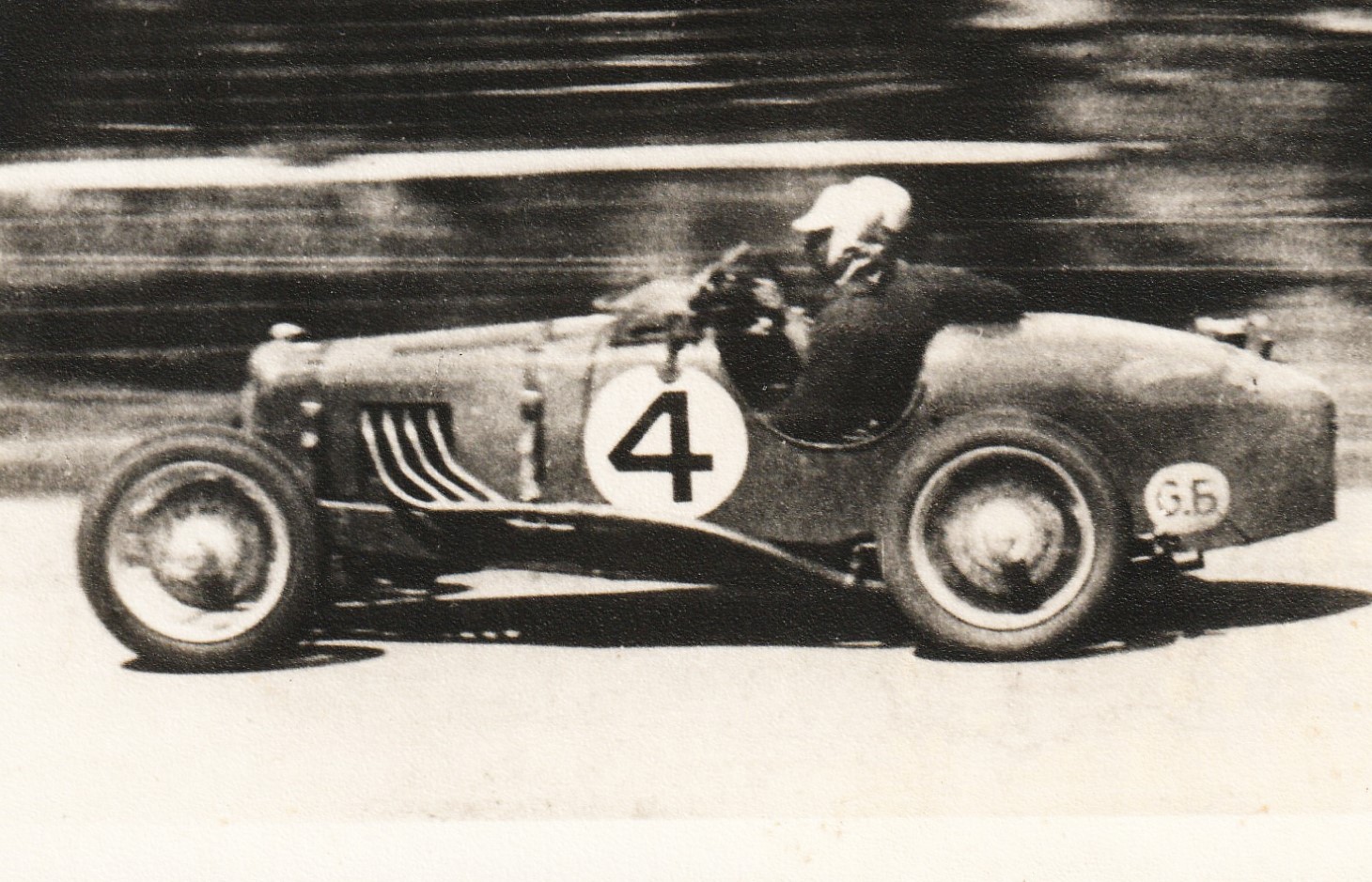
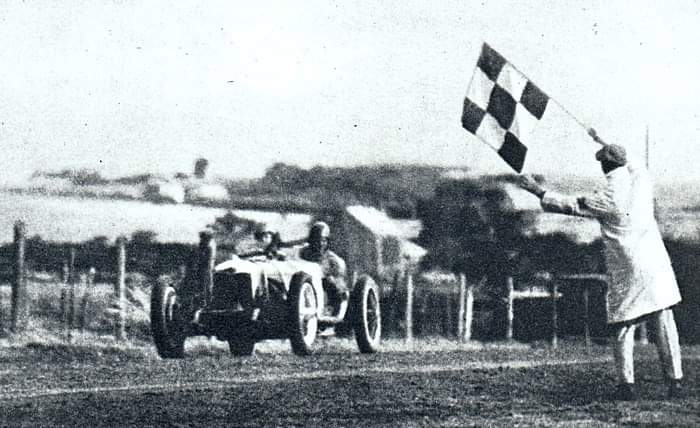
Mark Bisset’s website on Australian Racing car history, called Primo Tipo, has an article on famed Riley racer and tuner, Barney Dentry, which gives an excellent account of Barney and his racing exploits in the 1920s and 1930s. It is well worth reading. Click the “blue button” below ,which links directly to the Primo Tipo website.
Two Nuffield designed cars appeared in 1939, then came the war. Riley factory like so many in Coventry was converted for the war effort and suffered bomb damage.
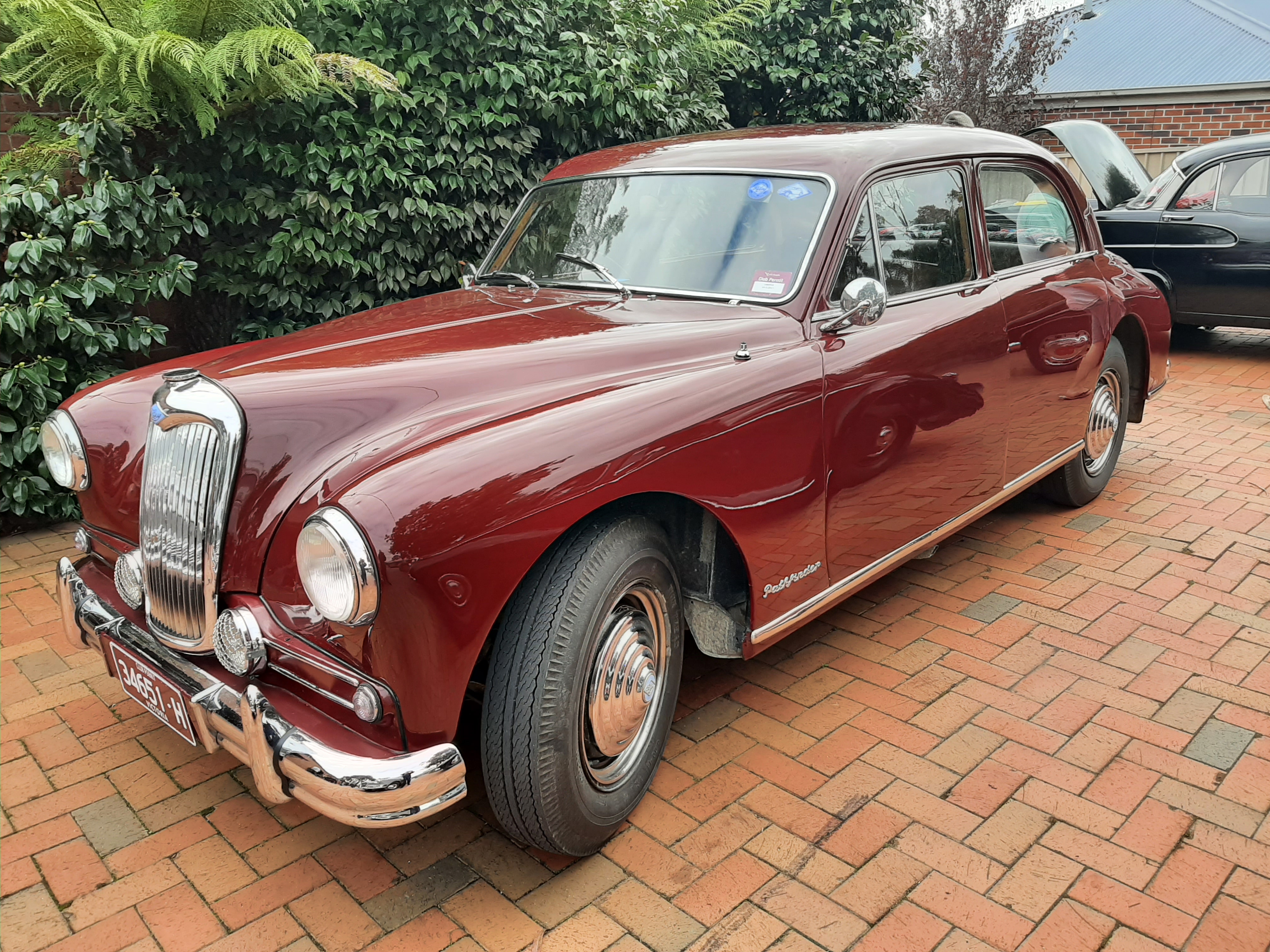
In 1946 the RM series cars were introduced firstly the 1 ½ and in 1947 2 ½ saloons. A drop head version and a single seat roadster followed with production runs of only 500 each of these cars. In 1949 Riley production was moved to Abingdon and built on a parallel production line to contemporary MGs. The last car in this Series was the Pathfinder, production of which finished in 1957.
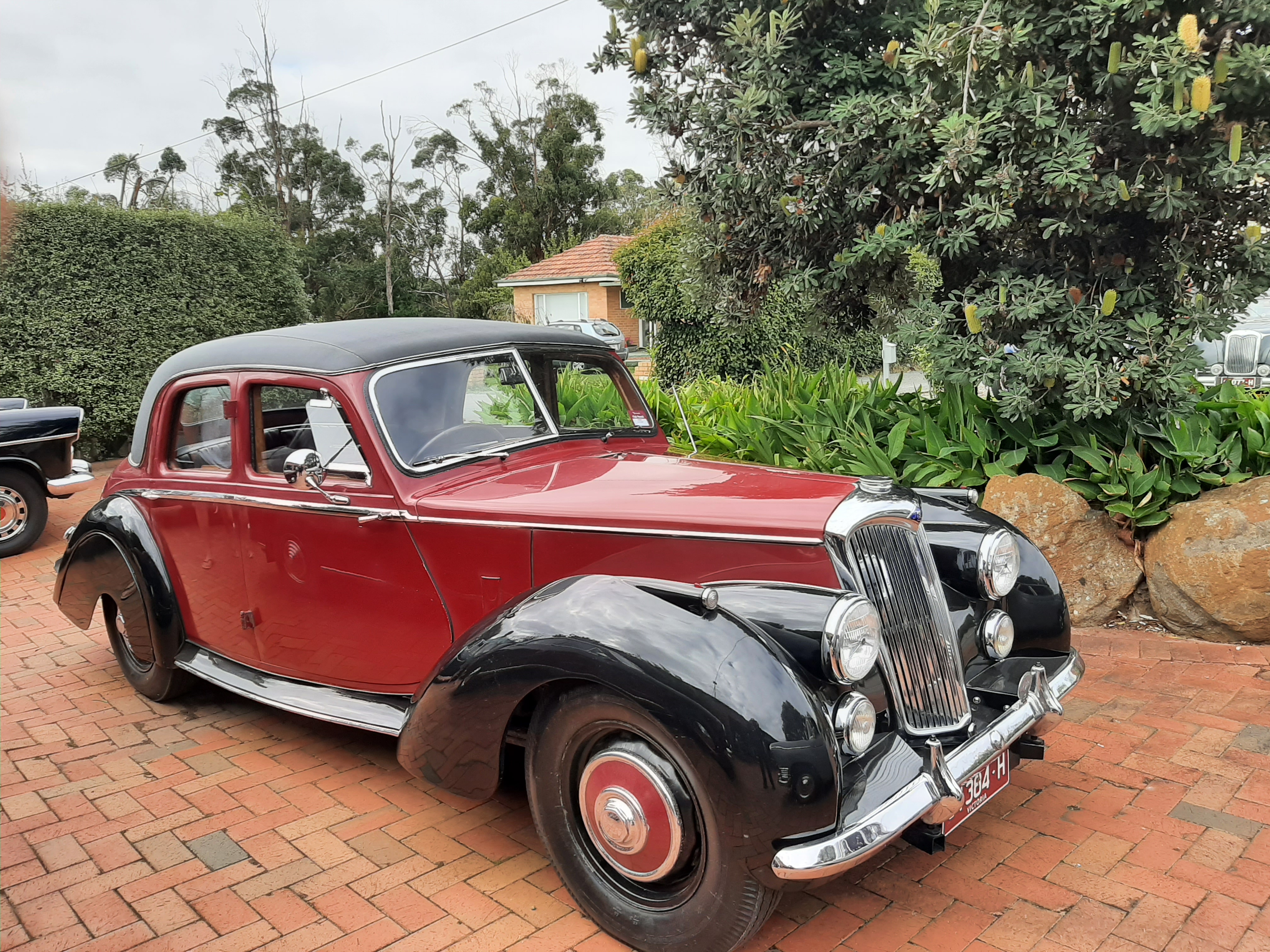
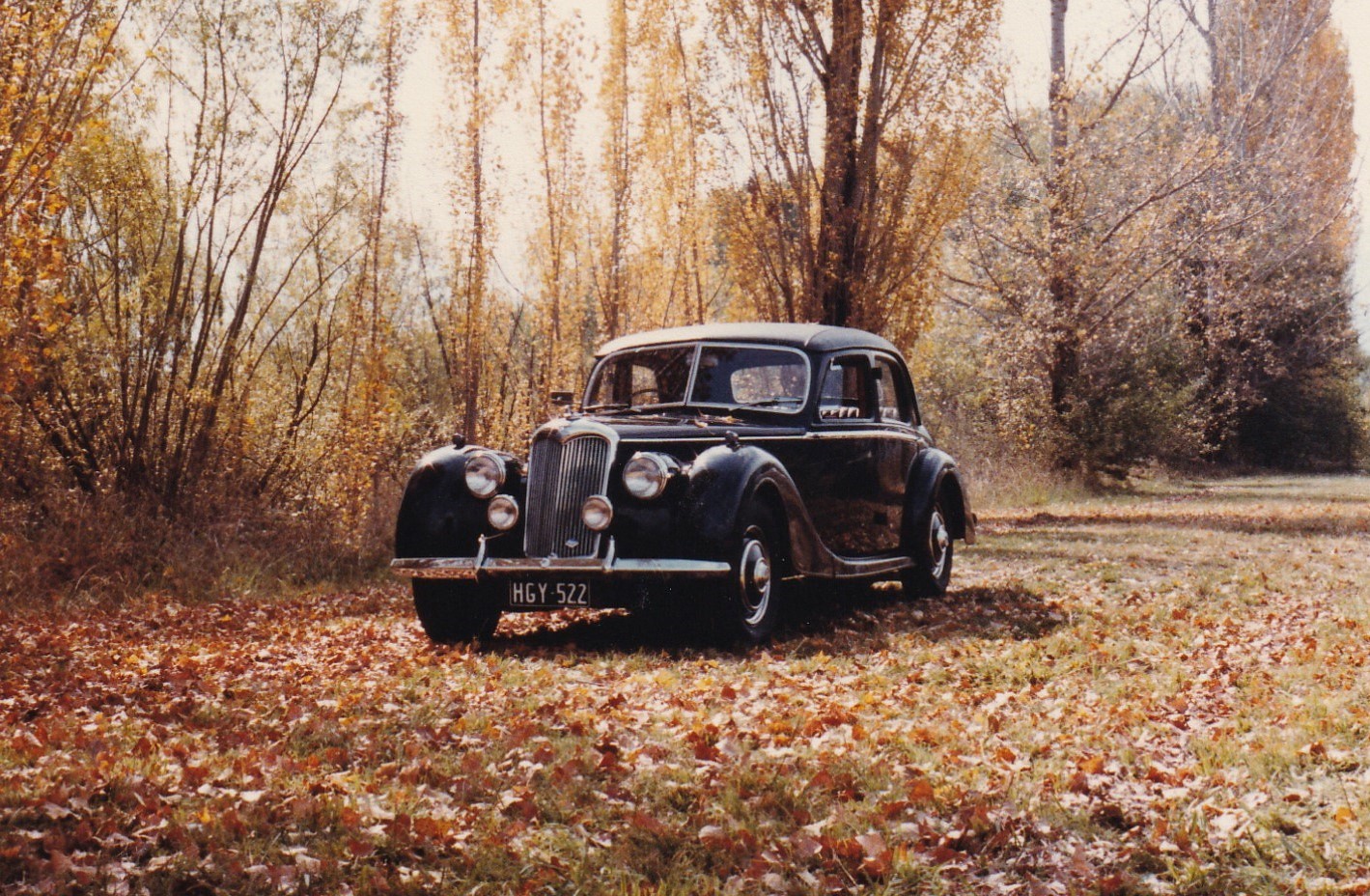
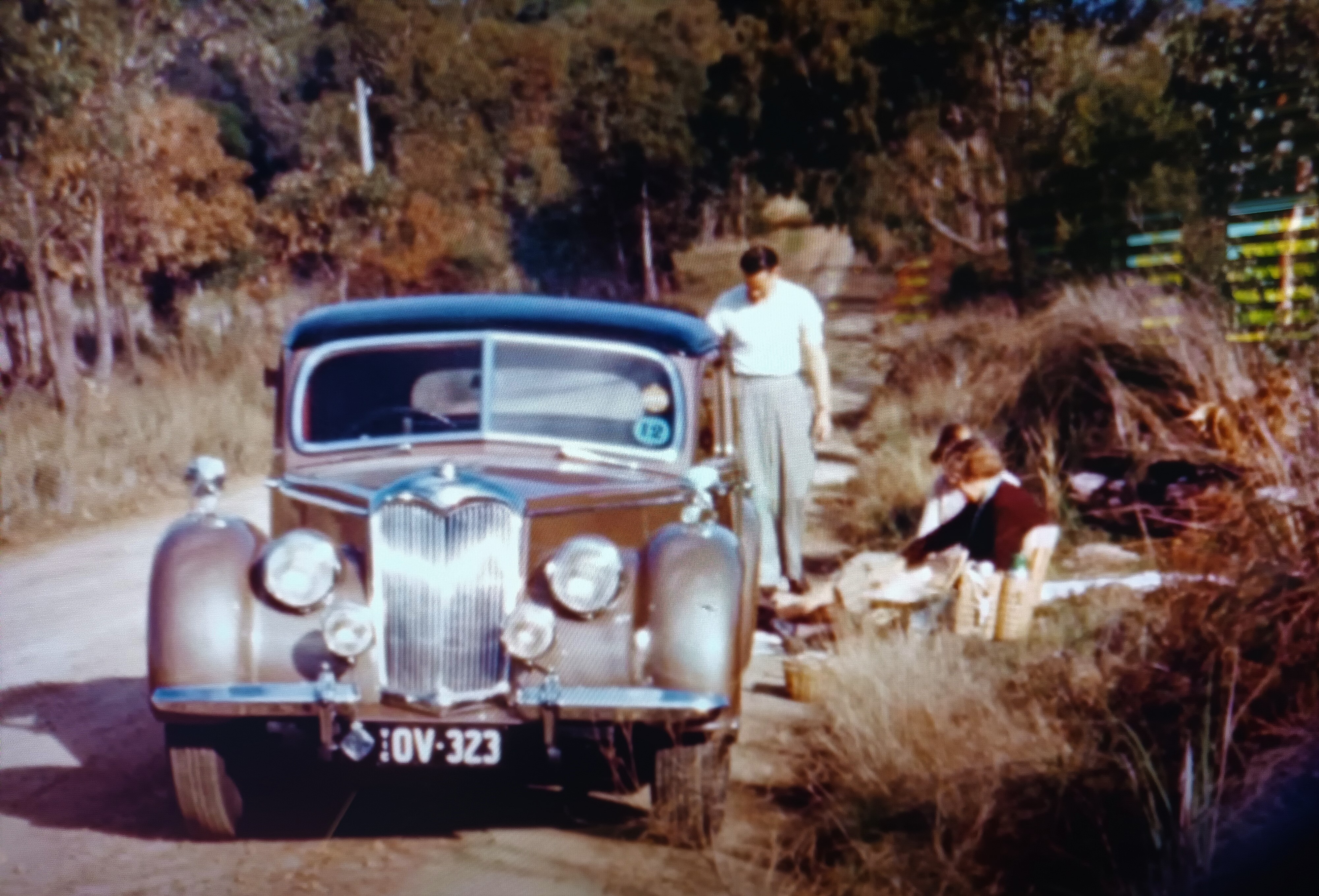
The Australian Centre for Moving Image has a wonderful collection of home movies by Kenneth Carruthers Rankine (1890 – 1968) a keen amateur cinematographer and filmmaker. Rileys feature in many of them. This collection of his home movies has been donated to ACMI by Kenneth’s granddaughter.
Opening with the title ‘The Dream Car’ a dream of a new car brings it to reality in a melodramatic piece and the travellers set off on their 2000 mile road trip in south east Australia.
The film has close up shots of the new 1951 2½ Litre Riley, plus many shots of Victoria, The A.C.T. New South Wales and South Australia in the 1950s. Click on the blue button below. which will link you to the ACMI site and Kenneth Rankine’s movies.
From 1958 the badge engineering era began with up-market Riley models being produced from the Morris/Austin range. The cars had leather upholstery, timber dash and door cappings. The engines were in a higher state of tune than the standard models and all had twin S.U. twin carbs.
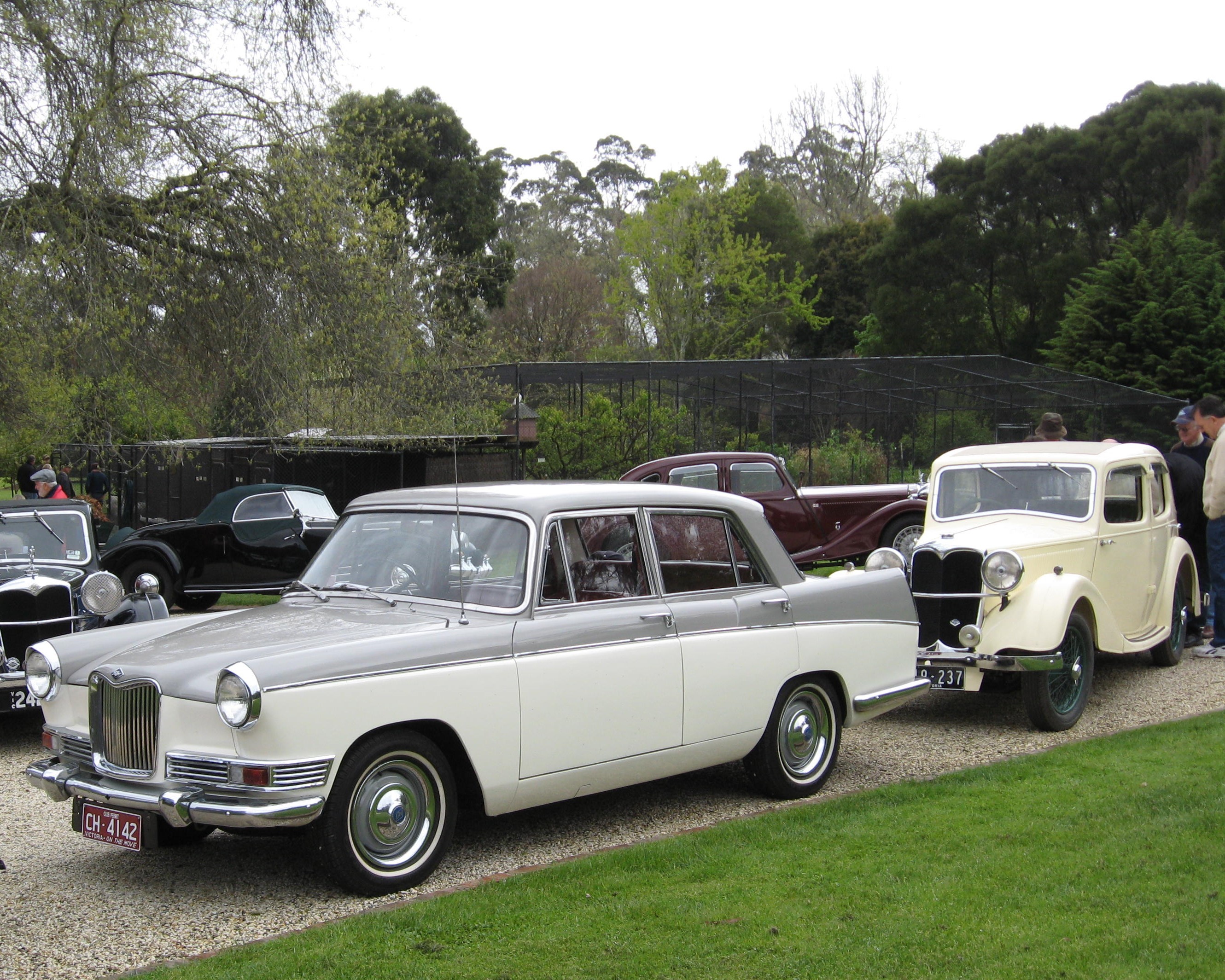
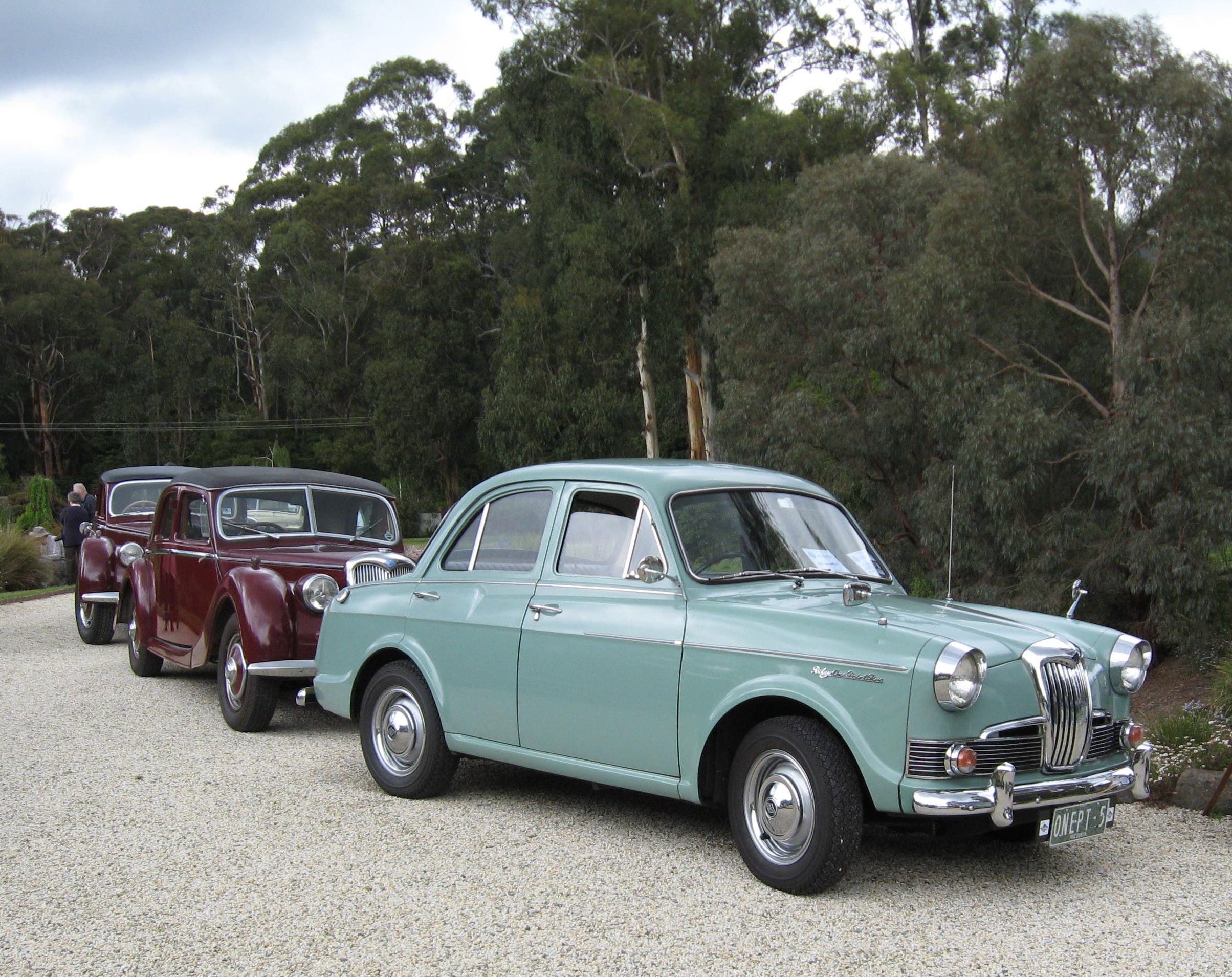

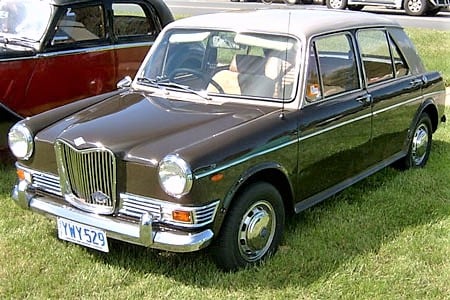
The last Riley badged car was produced in 1969. It was a Riley 1300.
“RILEYS – THE WAY THEY WEREN’T
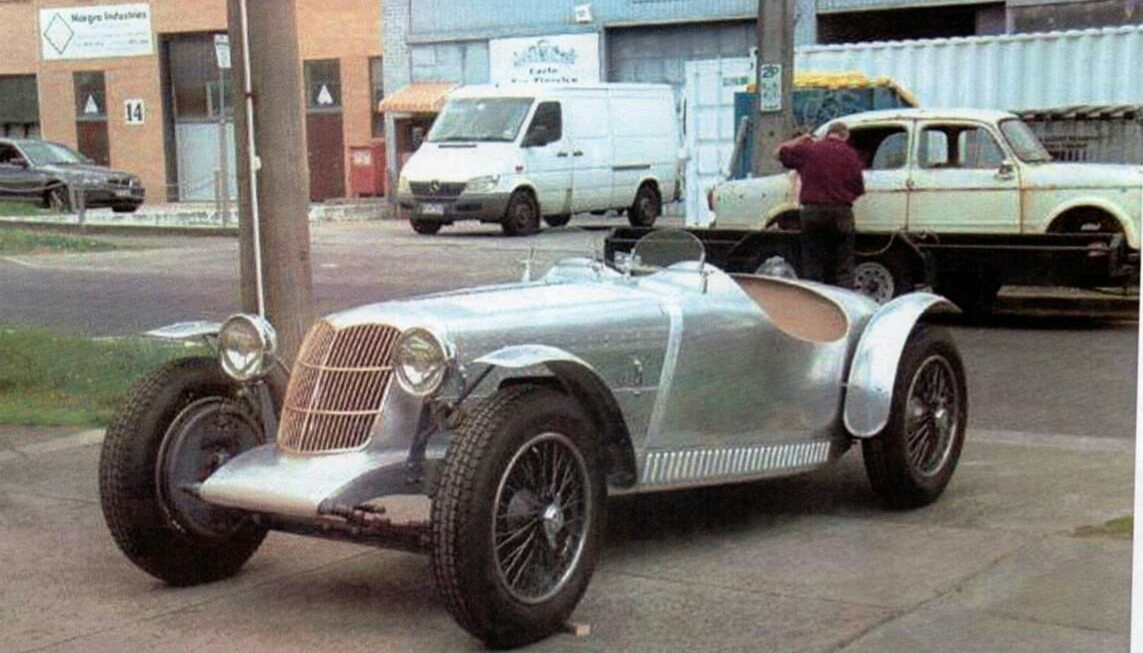
From the earliest days Rileys were modified for racing or updated to a more modern style. Later when saloon bodies deteriorated, some were re-imagined as racing cars or more sporting models. In some cases only the bodies were changed and the chassis and mechanicals were as they left the factory, whilst in other cases the changes were far more substantial. Below is a copy of a presentation on this subject.

Want to read more about Riley History?
Below is a copy of a presentation that Brian Graham gave to the Riley Motor Club of Victoria in 2020.
 rileyvictoria.org
Leave a comment